
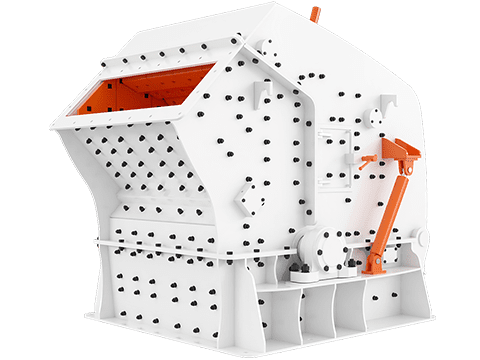
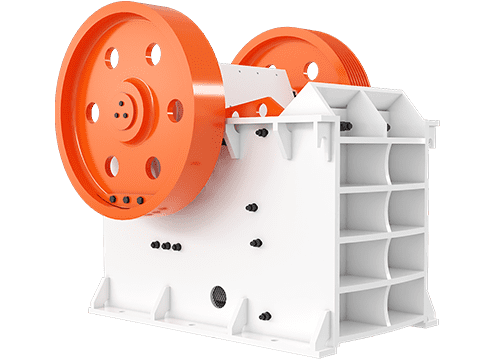
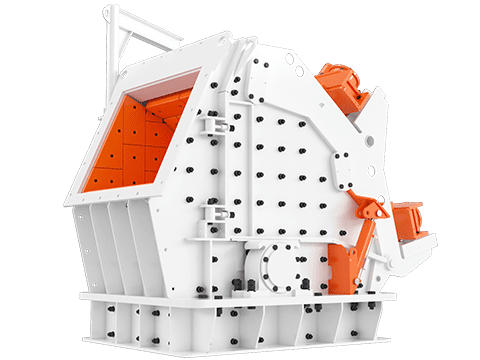
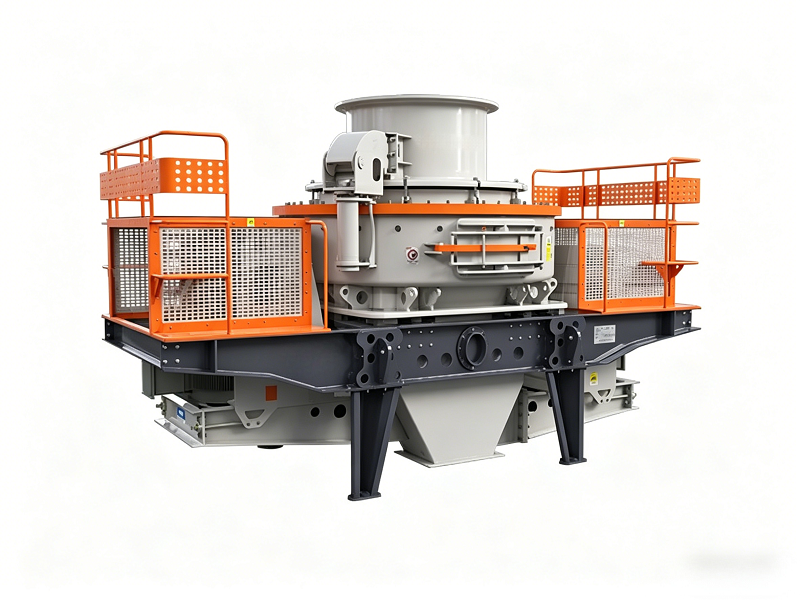
What Is a Jaw Crusher?
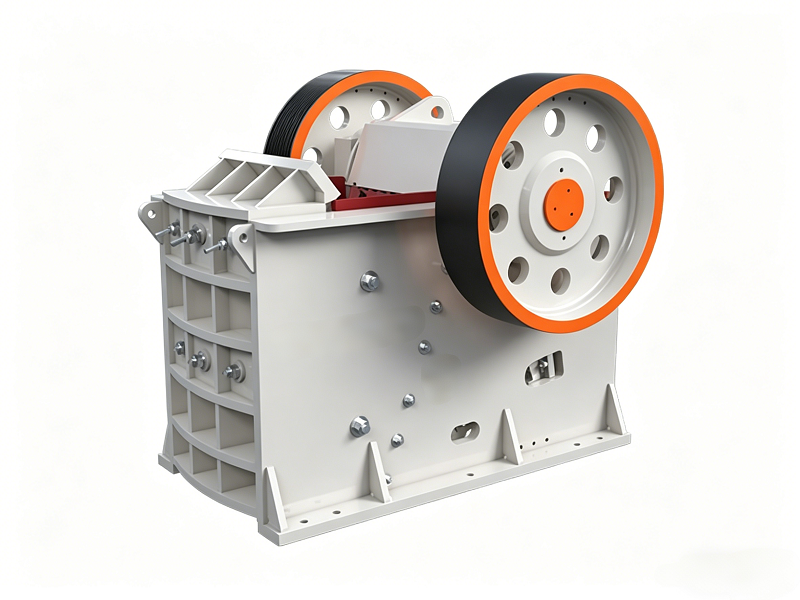
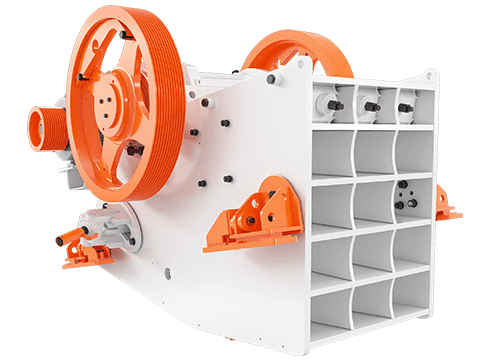
A jaw crusher (also called jaw breaker) is the most essential primary crushing machine in mining, aggregate production, and construction projects. It uses two jaw plates—fixed jaw and movable jaw—to squeeze large rocks and ores into smaller particles. Designed for materials with compressive strength up to 320MPa, it efficiently processes granite, basalt, river pebbles, iron ore, limestone, and other hard stones.
Working Principle
The motor drives the eccentric shaft via a belt pulley, causing the movable jaw to reciprocate. It compresses, splits, and bends materials against the fixed jaw. Crushed material exits through the bottom discharge opening. With a simple structure, stable operation, large crushing ratio, and high capacity, it is the preferred primary crusher in any crushing line.
Main Types & Models
PE Series Jaw Crusher: For coarse crushing; large feed opening, high capacity (3–1200t/h)
PEX Series Fine Jaw Crusher: For fine crushing; smaller discharge size (10–100mm)
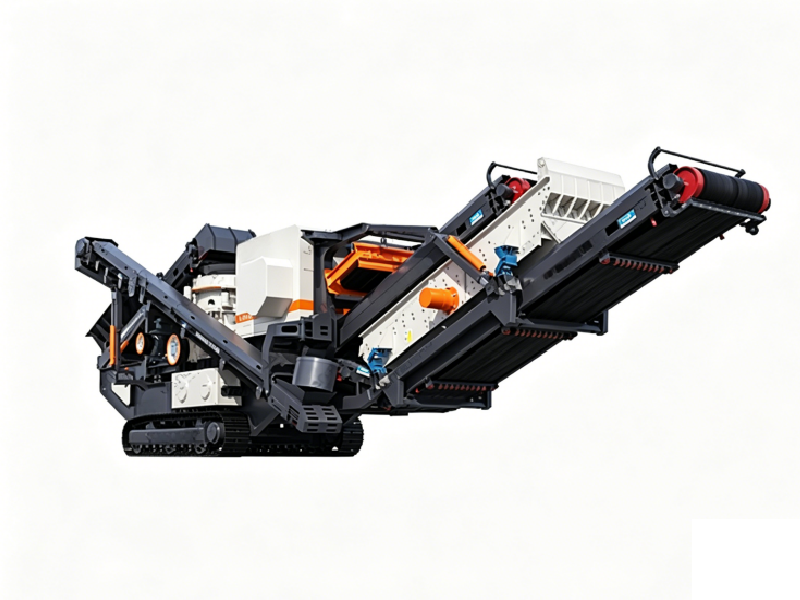
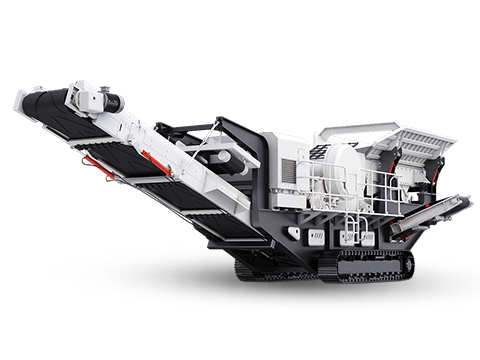
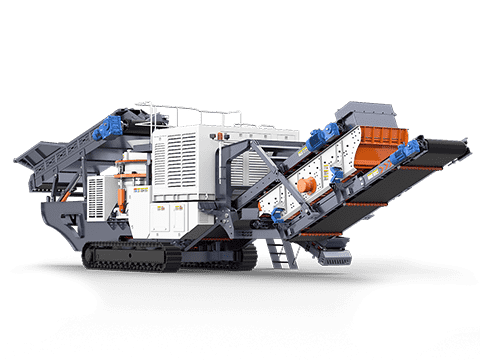
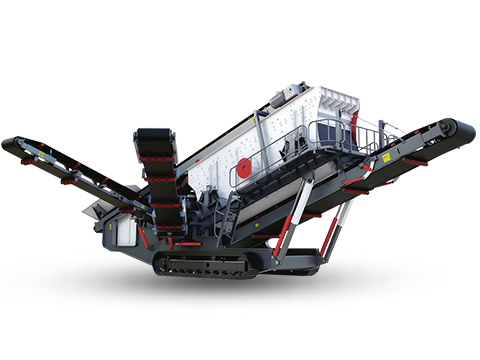
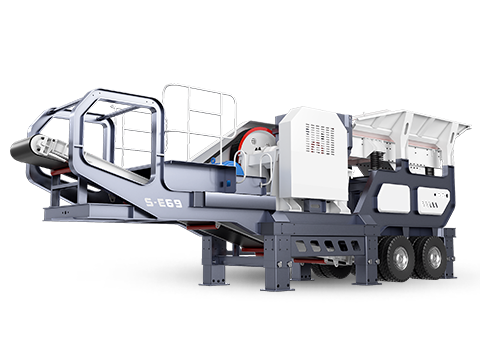
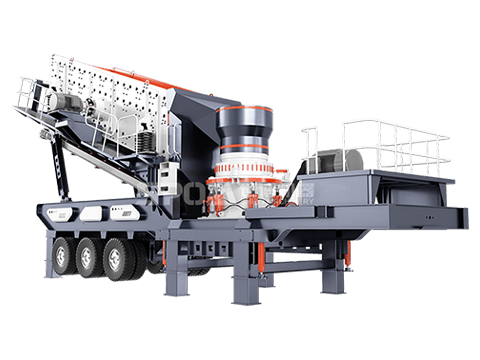
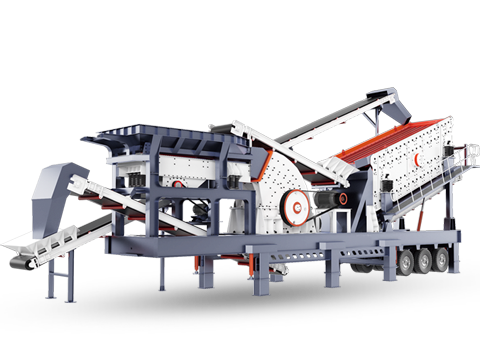
Mobile Jaw Crusher: Wheel/track-mounted; flexible for remote sites and construction waste recycling
C6X European Jaw Crusher: Optimized design, higher output, lower maintenance cost
4Key Advantages
Heavy-Duty Construction: Cast steel frame, high-manganese steel jaw plates for wear resistance
High Capacity: Feed size up to 1200mm, output up to 1200t/h
Reliable Performance: Low failure rate, minimal noise and vibration for continuous operation
Easy Maintenance: Quick replacement of wear parts, simple lubrication, low operational cost
Wide Applications: Mining, quarrying, construction waste recycling, road/railway, water conservancy
Application Industries
Metal Mining: Primary crushing for iron, copper, and gold ores
Aggregate Production: Crushing granite, basalt, river pebbles for sand and gravel
Construction Demolition: Recycling concrete, bricks, and waste materials
Infrastructure: Stone processing for highways, railways, tunnels, and dams
How to Select the Right Jaw Crusher
Material Hardness: Choose heavy-duty models for hard rock
Feed Size: Match the crusher’s feed opening
Capacity Requirement: Select by tons per hour (t/h)
Site Condition: Stationary for fixed plants; mobile for frequent relocation