
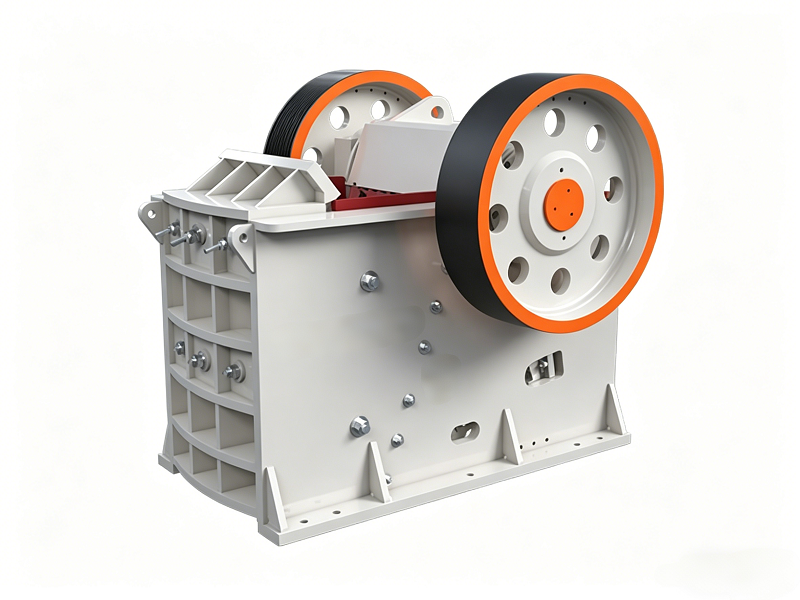
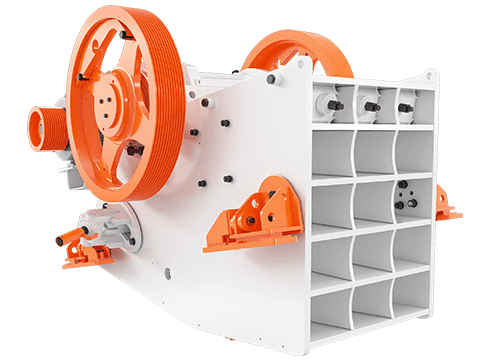
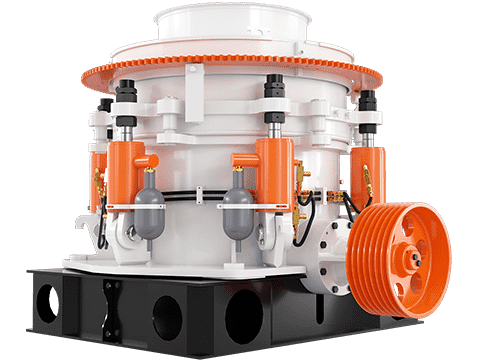
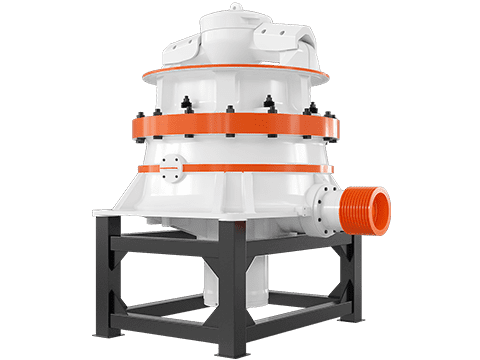
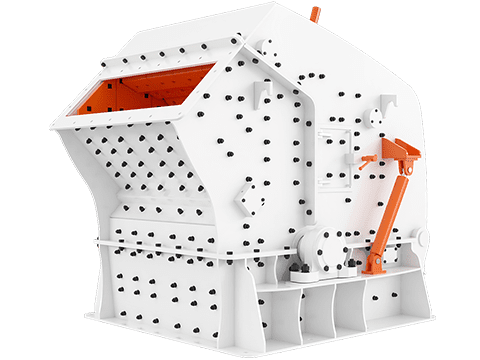
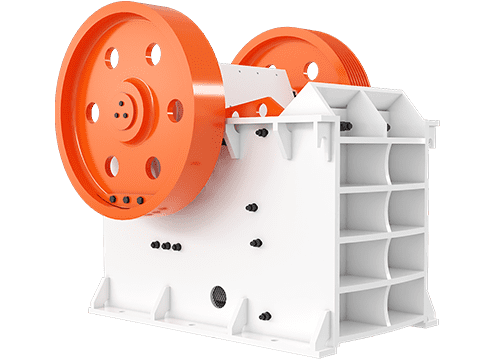
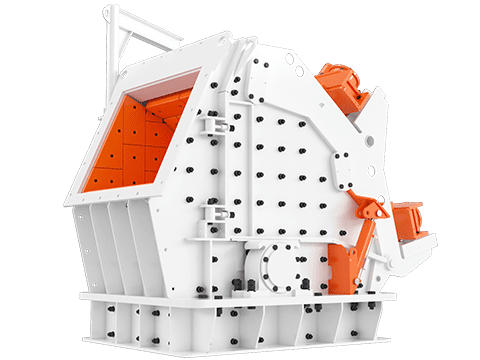
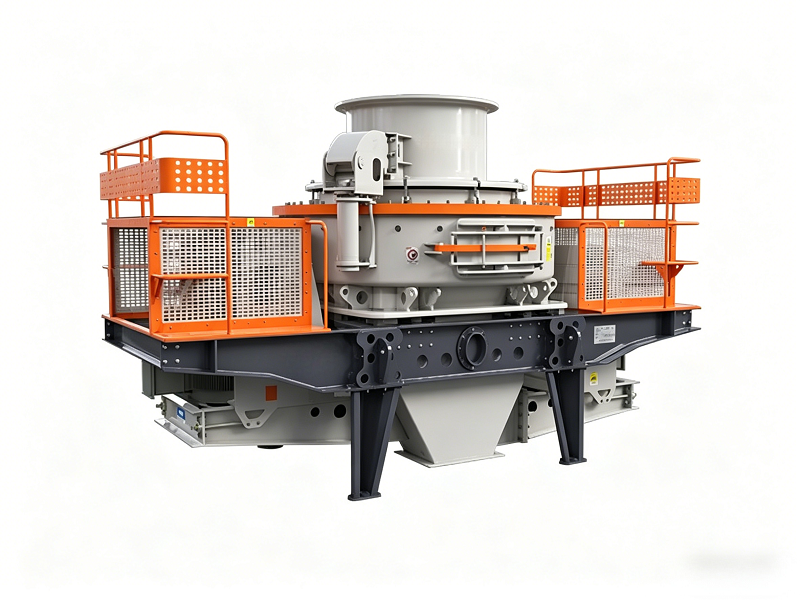
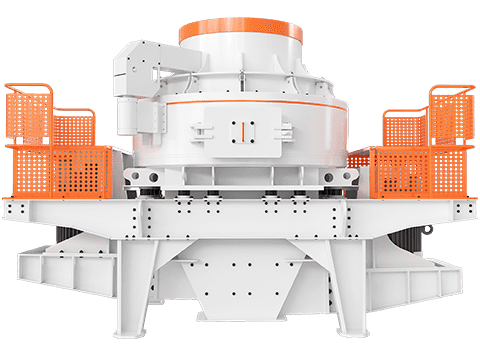
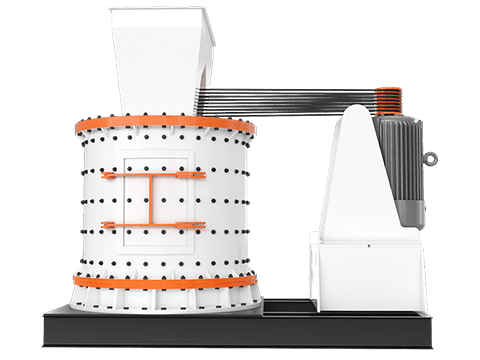
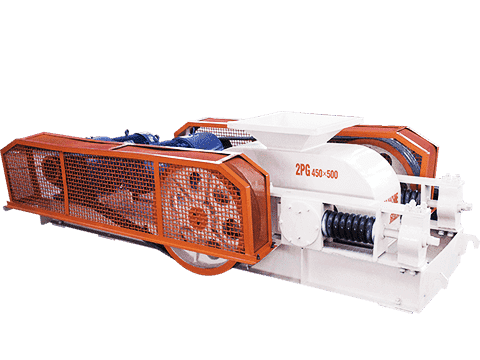
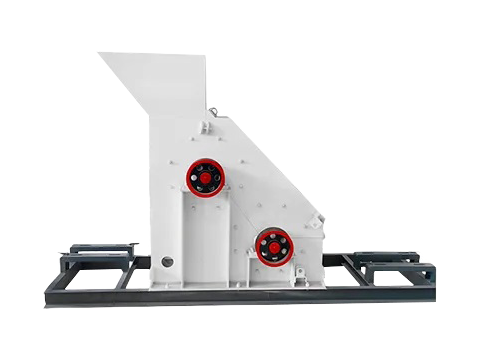
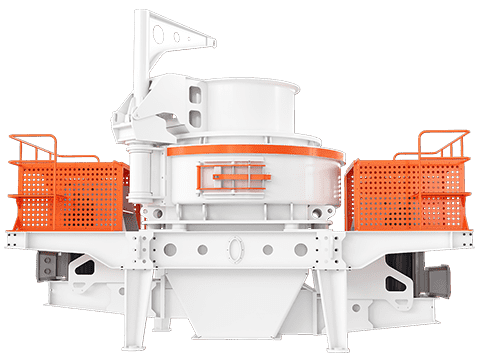
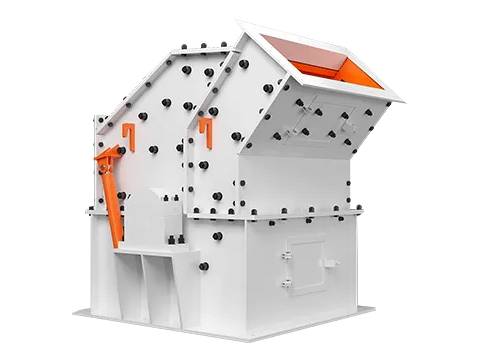
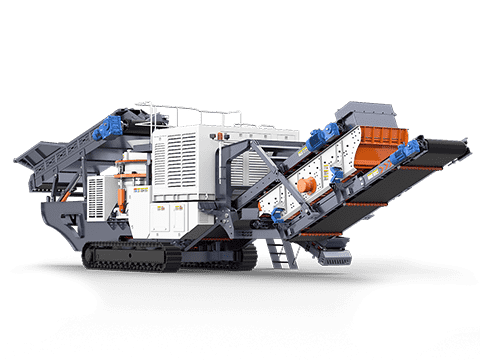
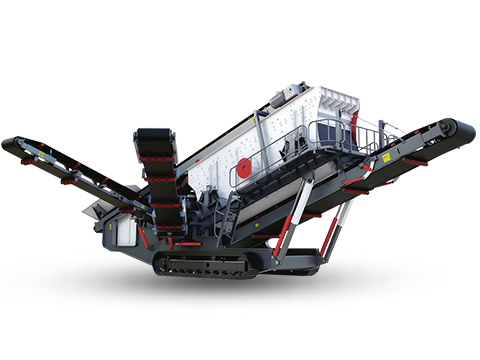
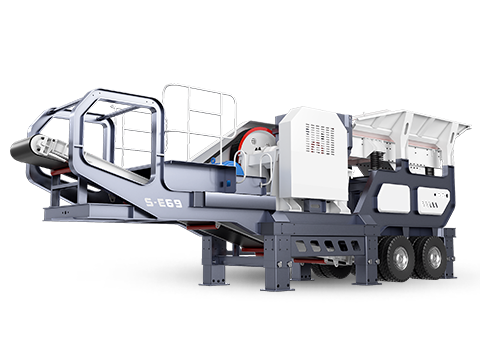
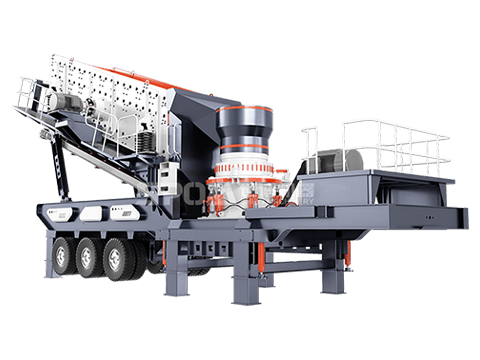
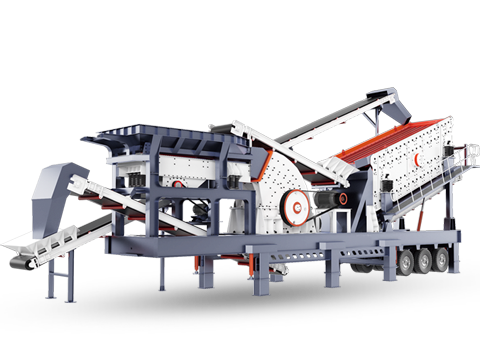
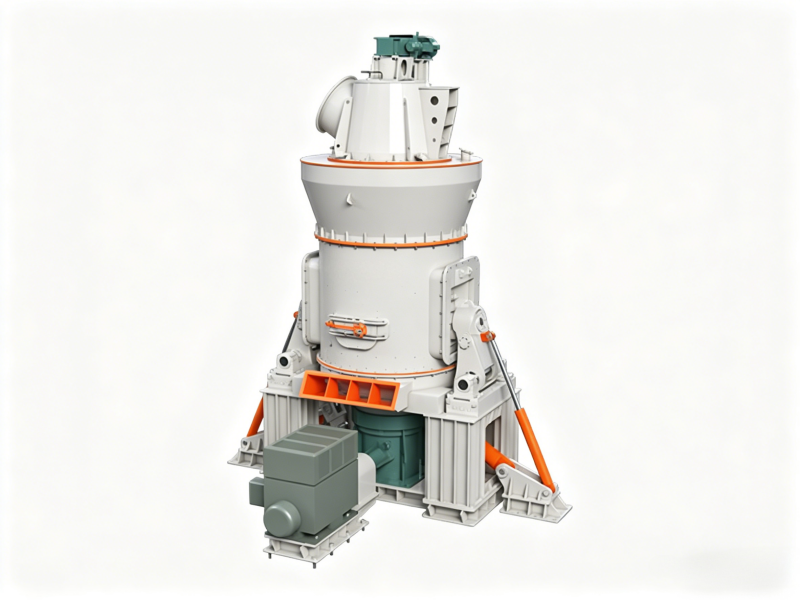
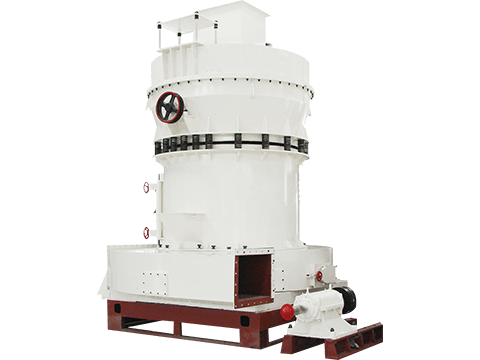
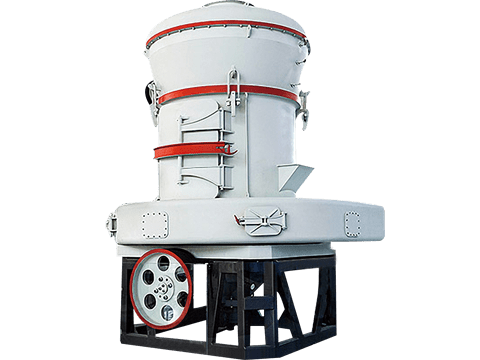
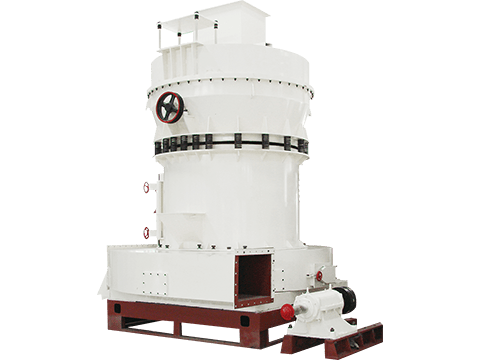
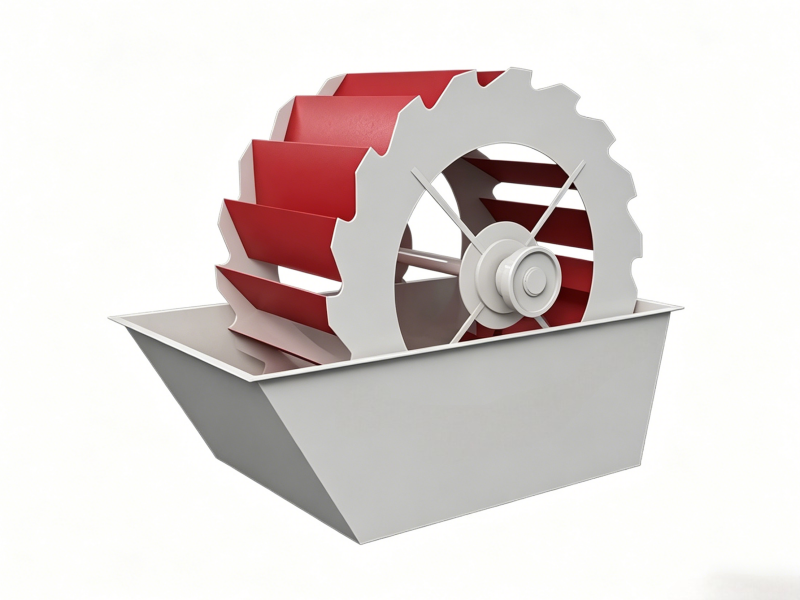
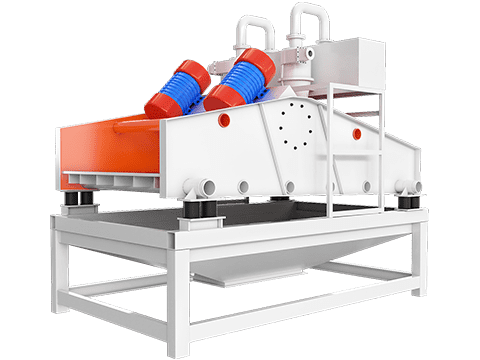
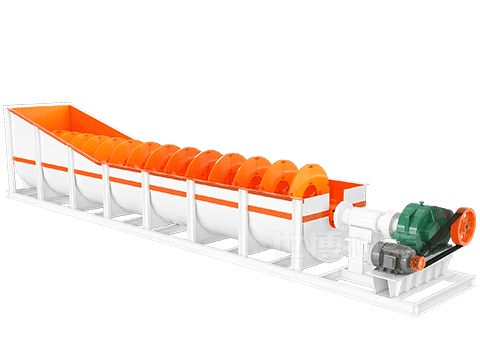
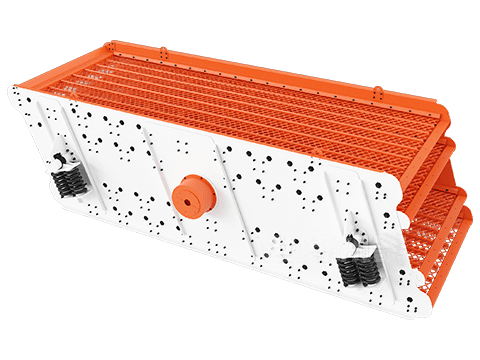
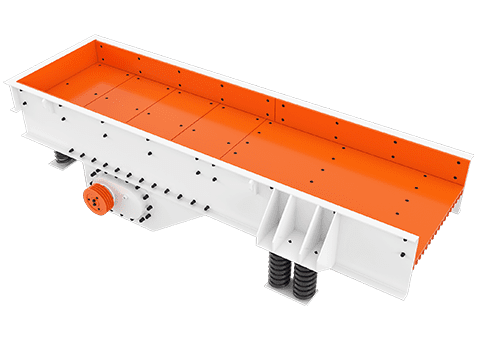
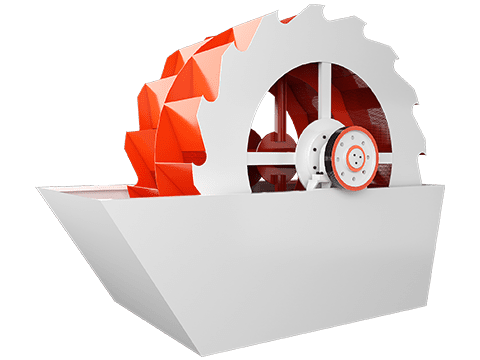
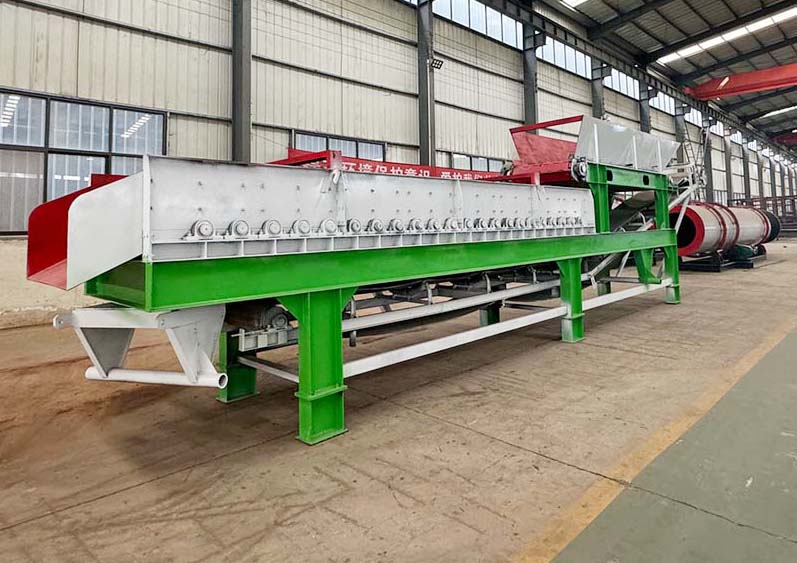
The traditional sand production line operates on a fixed production model, requiring a series of installations for machinery and equipment, as well as site planning. During the installation of specialized equipment, concrete piling must be used to secure it, making disassembly and assembly inconvenient and time-consuming, involving additional costs. Its characteristic is suitability for large-scale stone production, commonly used in sand and gravel manufacturing, with advantages such as high production capacity, superior quality, and excellent finished product particle size.
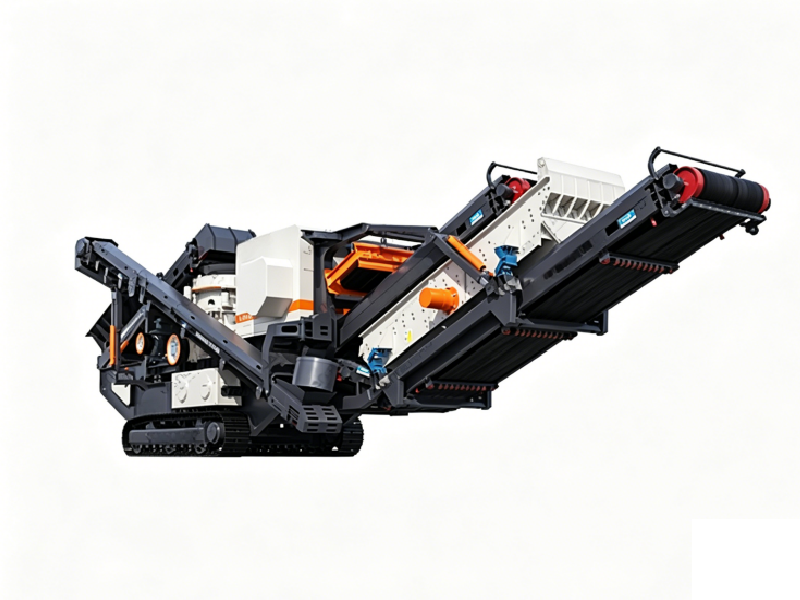
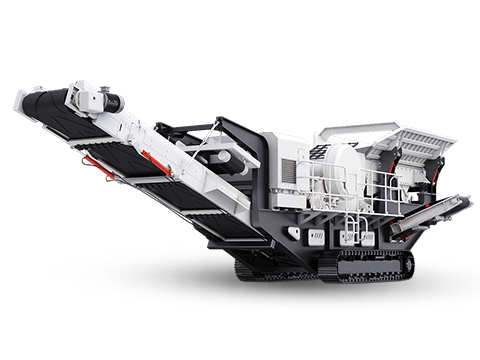
Mobile crushing stations are compared to the fixed crushers widely used in current coal production and manufacturing. Based on their varying levels of complexity, they can be categorized into simple mobile crushing stations and versatile complex mobile crushing stations. For the majority of domestic customers' actual production conditions, the simple mobile crushing station is more popular in the market.
Compared to fixed crushing production lines, this simple mobile crushing station not only offers advantages such as flexible application and easy mobility, but also comes with a complete crushing and screening system, ensuring a smoother crushing process. Additionally, it is worth noting that since all components of the simple mobile crushing station are mounted on the same base frame, this reduces the investment in related crushing installation equipment and setup costs. Moreover, its operation is extremely simple and convenient, making it highly favored by users.
Mobile crushing stations and sand production lines are widely used in mining, coal mining, solid waste recycling, earthwork, urban infrastructure construction, road or building projects, and other applications. They primarily address surface soil and various materials, separating sticky concrete aggregates. Key applications include demolition and blasting industries, post-crushing screening, mining, and artificial sand production from river pebbles, stones (such as dolomite, granite, limestone, diorite, etc.), iron ore tailings, and gravel. They are also employed for separated crushing in cement concrete road upgrades and pre-crushing of asphalt mixtures. These systems offer flexibility and strong operational control, significantly reducing construction and relocation costs. They enable on-site material crushing and can move alongside the excavation front, thereby substantially cutting material transportation expenses.