
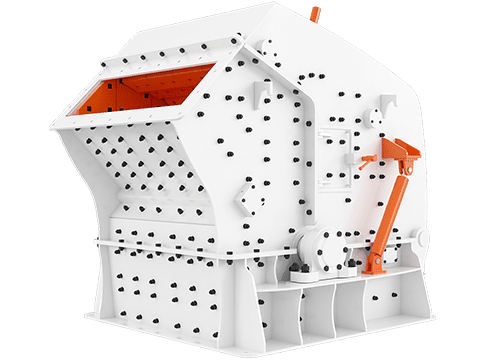
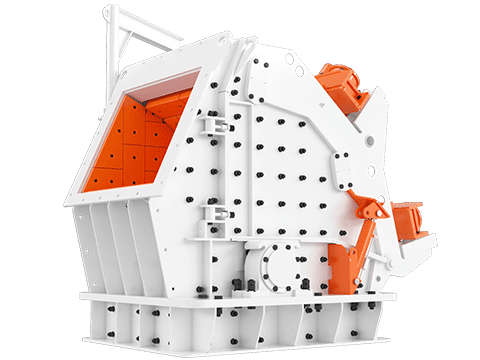
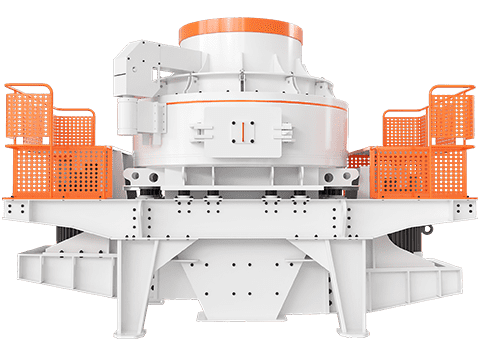
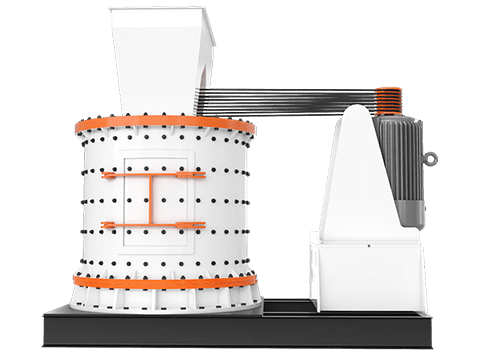
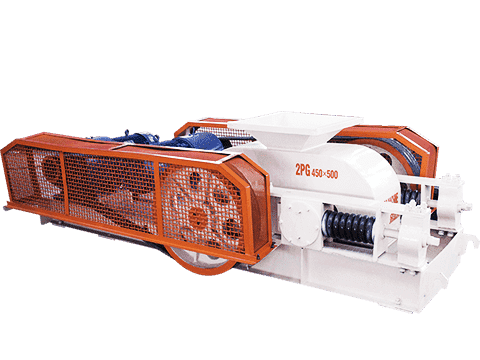
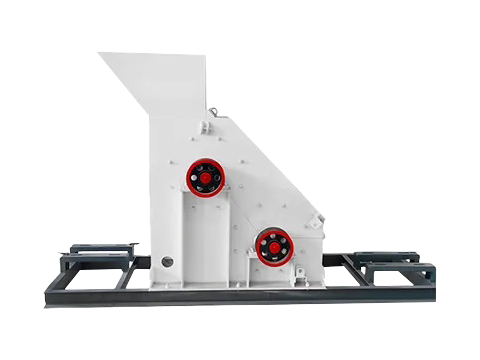
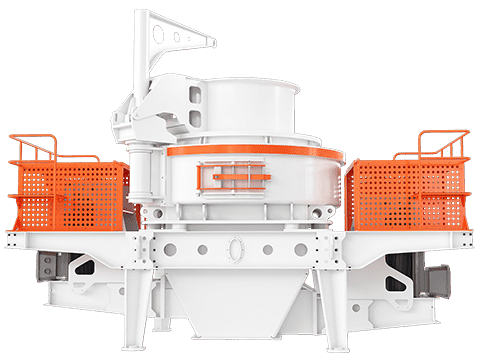
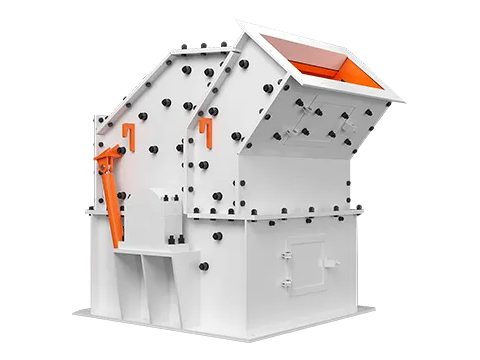
In quarrying, sand‑aggregate processing and construction waste recycling projects, the impact crusher is a well‑recognized secondary and tertiary crushing machine. It is popular worldwide for its large reduction ratio and excellent cubical output quality.
Driven by high‑speed rotor and blow bars, the impact crusher breaks materials by continuous impact between rock and blow bars, rock and impact aprons. It processes limestone, granite, river pebbles, concrete debris and other medium‑soft to medium‑hard materials. Final aggregates show low flaky content, meeting strict standards for highway, railway and hydraulic construction projects.
Main Advantages
Superior Cubical Aggregates: Well‑graded cubic finished products improve the commercial value of sand and gravel.
High Reduction Ratio: Large feeding size and stable capacity simplify crushing plant layout.
Easy Maintenance: Wear‑resistant blow bars and impact plates. Hydraulic opening design is optional for fast spare‑part replacement and less downtime.
Wide Application: Ideal for mineral crushing and C&D waste recycling. It turns waste concrete into reusable recycled aggregates for eco‑friendly projects.
Adjustable Output Size: Change gaps between impact aprons to get different finished particle sizes for various requirements.
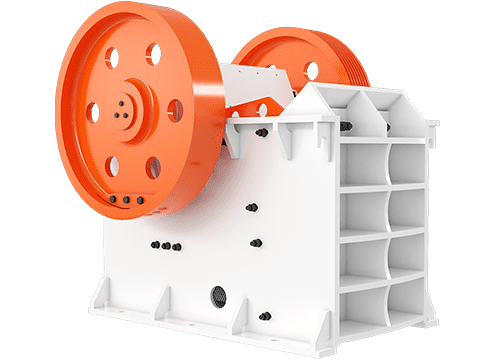
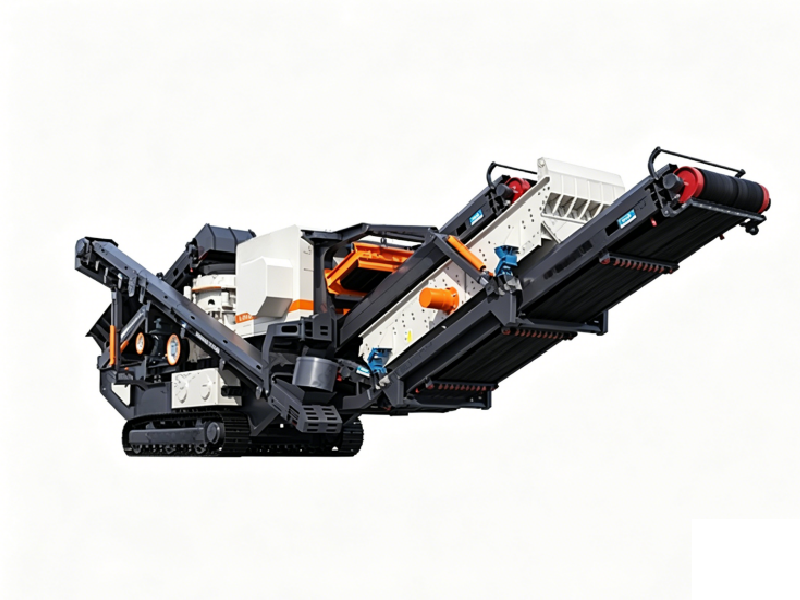
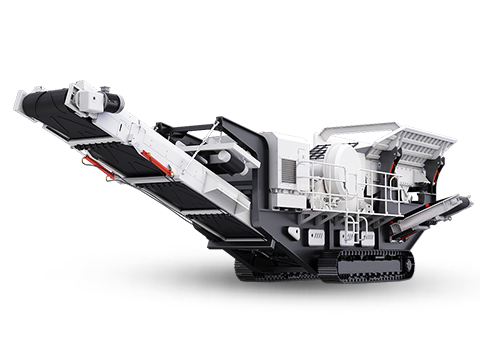
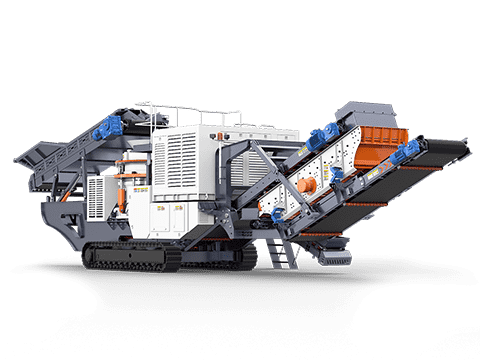
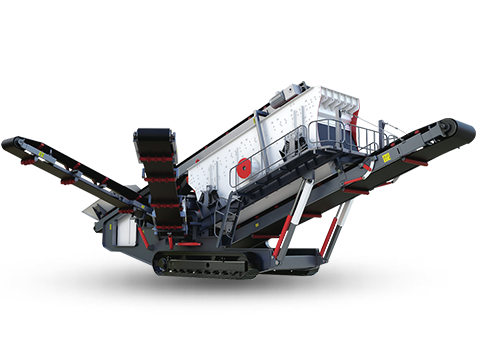
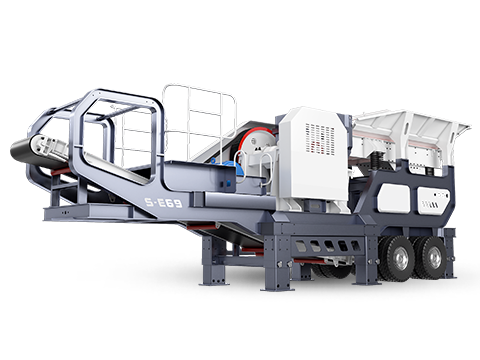
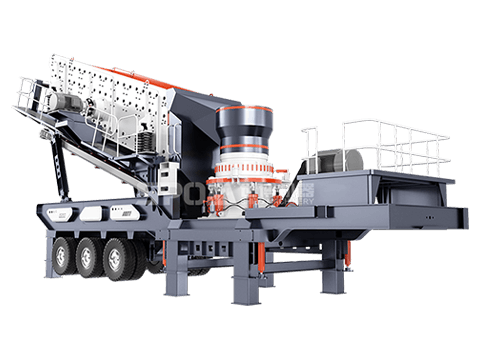
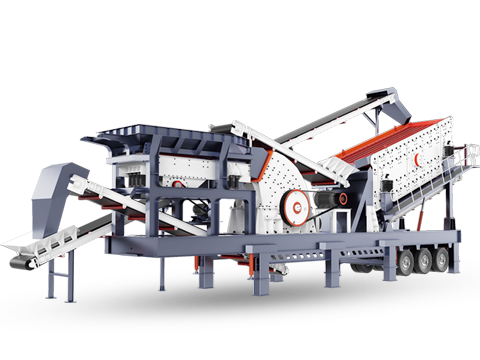
Impact crushers usually work together with jaw crushers in complete crushing lines. Jaw crusher handles primary coarse crushing while impact crusher finishes secondary crushing and shaping. It can also be installed on mobile chassis as a mobile impact crushing plant for on‑site moving operation.
We supply multiple impact crusher models with custom solutions. Our technical team can design full crushing lines according to your raw material, hourly capacity and final‑size demands. Contact us for specifications and quotation.