


What is the daily production capacity of the quarry in terms of tons of stones?
The daily output of the quarry is not stable and depends on the specific selection by the user. Different selections will result in different outputs. The key factors to consider are as follows:
1. Hourly output
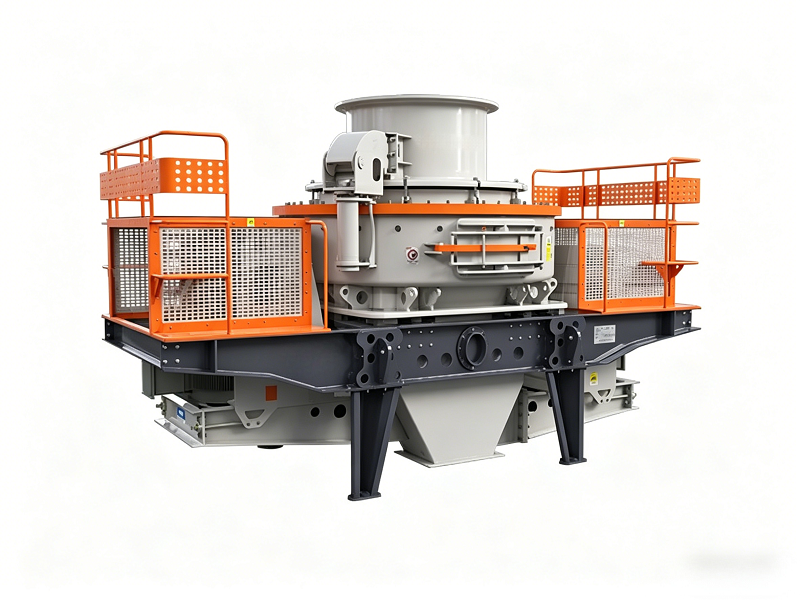
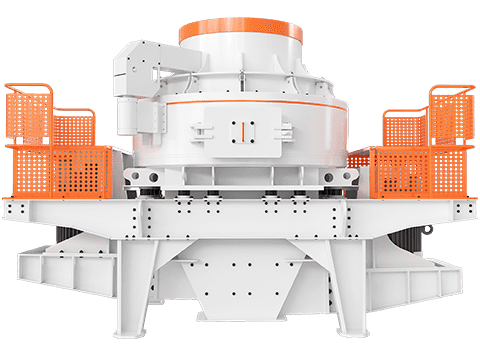
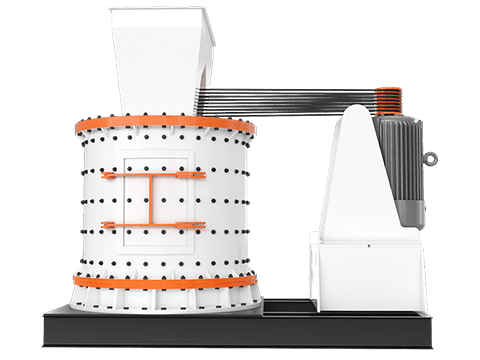
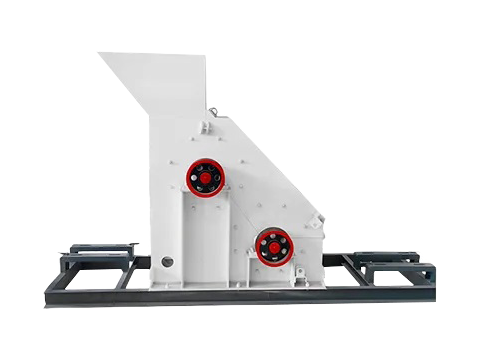
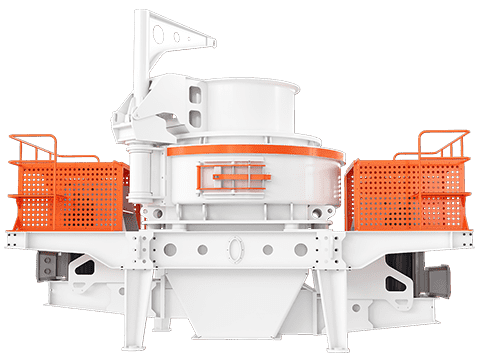
The quarry produces 5,000 tons per day. What kind of sand making machine should be equipped
If you aim for a high hourly output, such as around 500 tons per hour, based on a 10-hour operation time, the daily output rate can be 5,000 tons. For an output of 10-50 tons per hour, the daily output rate can be around 1,000 tons. The output can be higher or lower, depending on the user's specifications.
2. Materials for production and processing
There are many types of materials that can be used to produce and process into stones, with varying sizes, strengths, and environmental humidity. Stones can be difficult to crush, and the lower the production output, the greater the damage to machinery and equipment, which in turn affects the actual production output. Conversely, the production output will be relatively higher.
3. Regulations on finished products
Users have different specifications and models for the particle size distribution of products, which necessitates different production steps. The smaller the specified particle size distribution, the more frequent the production and processing needs to be, resulting in a decrease in production output. The more diverse the sizes of the incoming materials, the finer the screening, which also directly affects the incoming materials and results in different production outputs.
The quarry produces 5,000 tons per day. What kind of sand making machine should be equipped
Each type of stone production equipment has a specific output range that the user must be able to achieve. The daily production capacity of a quarry, in terms of the number of tons of stones, must be determined based on the user's specific situation and needs. Only then can the manufacturing plant make appropriate production planning and equipment allocation.